
Technical Bulletin
Lower HERS Scores: Look Beyond the Usual Upgrades
Improving a home’s HERS® score doesn’t always require expensive equipment or major construction upgrades. Often, the biggest opportunities come from making smarter decisions during the design phase and getting the fundamentals right before construction begins.
A home’s size, layout, orientation, windows, insulation, and HVAC system all work together to determine energy performance. Looking at the home as a complete system can help builders identify improvements that deliver results without adding unnecessary costs.
Five ways to improve energy performance:
- Start with the building design. A home’s size, shape, layout, and orientation affect energy use. More compact designs can reduce heat transfer and improve efficiency without adding expensive equipment.
- Make smarter window choices. Window area, orientation, shading, U-factor, and solar heat gain all influence heating and cooling loads. The right combination can improve performance without upgrading every window.
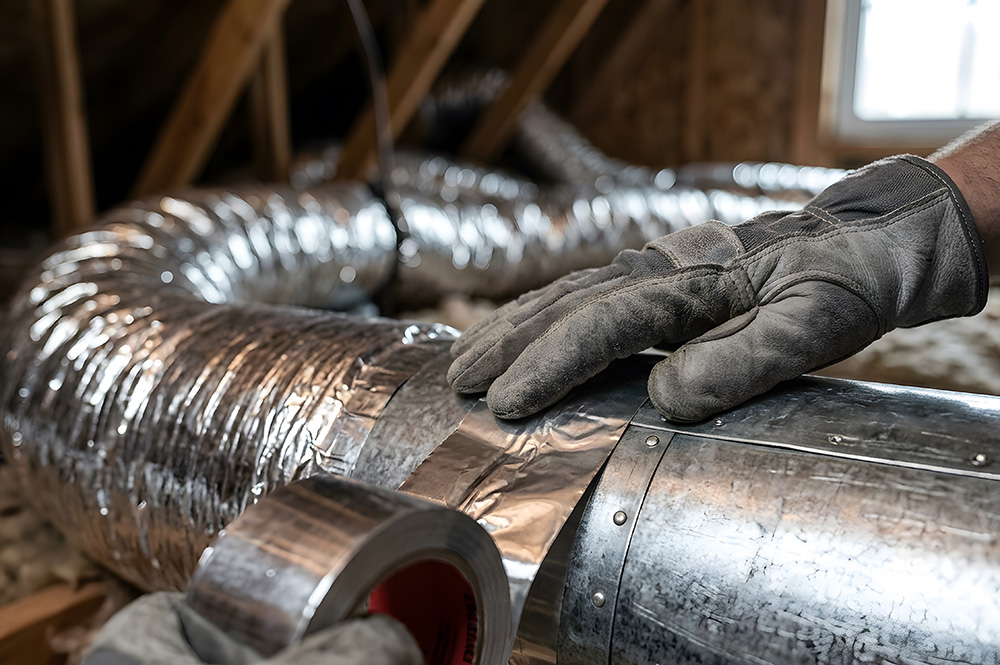
- Optimize HVAC design. Properly size equipment using accurate load calculations and design ductwork to deliver conditioned air efficiently throughout the home. Bigger equipment doesn’t necessarily mean better performance.
- Focus on the building envelope. Consistent insulation, tighter construction, reduced thermal bridging, and properly sealed gaps around windows, doors, plumbing, and wiring can minimize unwanted air leakage and energy loss.
- Look for opportunities in installation and execution. Proper insulation installation, thoughtful duct routing, and well-sealed ductwork can improve performance without necessarily increasing material or equipment costs.
Model Before You Build
Not every improvement delivers the same results in every home. An upgrade in one area may have little impact if another component is driving energy use. That’s where ARCXIS brings additional value.
Through live energy modeling, our energy experts can evaluate design options, compare performance scenarios, and help builders identify the most cost-effective combination of improvements for each home. This allows builders to weigh the impact of potential changes before committing to upgrades.
The best HERS score isn’t always achieved by spending more. It’s about making informed decisions early and understanding how every part of the home contributes to overall performance.