
Technical Bulletin
Mold Risk in High-Performance Homes: Why Moisture Management Matters
As residential construction becomes tighter and more energy efficient, moisture management becomes increasingly important. Improved air sealing and insulation reduce energy consumption and improve comfort, but they can also reduce a home's ability to dry naturally when moisture enters the building assembly.
That makes construction precision critical. Issues such as improper window flashing, gaps in weather-resistant barriers, water intrusion, air leakage, inadequate ventilation, and HVAC humidity control can create conditions that support moisture accumulation and mold growth.
The key is identifying these risks before assemblies are concealed or homes are occupied. An effective approach combines design and engineering review, critical-stage inspections, performance testing, and consistent documentation and trend analysis.
For builders, this shifts quality assurance from simply identifying defects to understanding where moisture-related risks originate and using field data to improve construction practices over time.
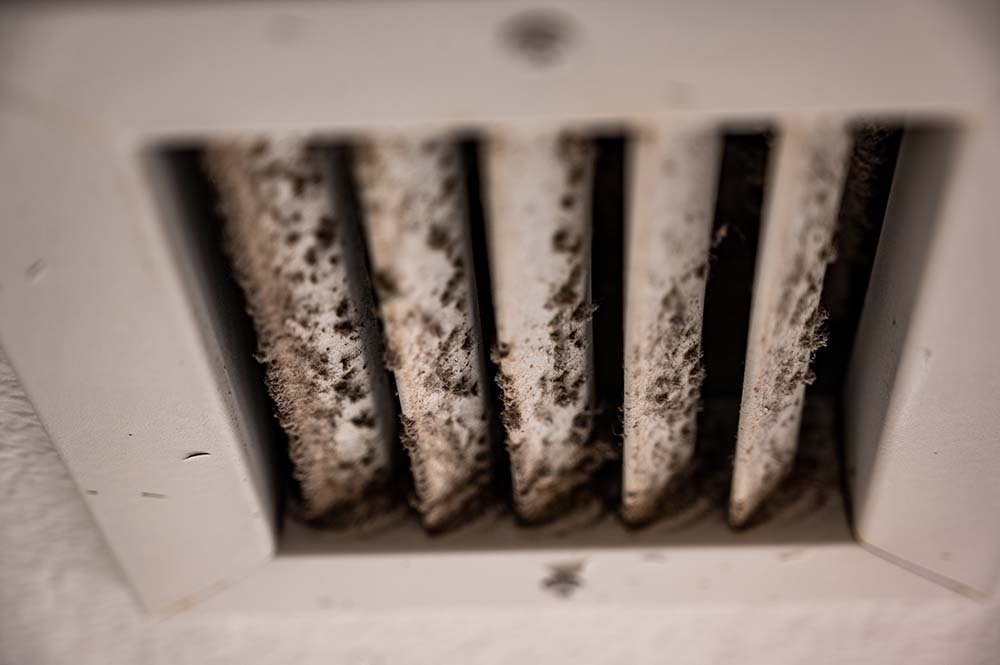
Mold may be the visible symptom, but moisture management is the systemic issue.
Read the ARCXIS white paper, Mold Risk in High-Performance Homes, to learn more about the building science behind the challenge and a proactive framework for prevention. Click here.