
Technical Bulletin
Summer HVAC Filled Checklist - Prevent Problems
Summer comfort issues are often discovered after construction is complete, but most can be prevented with the right checks during the build.
These issues can happen even in homes that pass inspection and meet code requirements. Finding them early helps reduce callbacks, warranty claims, moisture risks, and homeowner frustration.
Building Envelope Readiness
A well-sealed home is the foundation of good moisture control. Before insulation and drywall:
- Confirm all air sealing is complete around penetrations, including plumbing, wiring, soffits, and top plates.
- Verify continuous sealing at rim joists, slab edges, crawlspaces, and attic transitions.
- Check that garage-to-living-space separations are properly sealed.
- Make sure there are no gaps in the building's air barrier.
Moisture and Vapor Control
Water management starts before the HVAC system is installed.
Verify:
- Vapor retarders are installed correctly for the project's climate zone.
- Assemblies do not trap moisture between multiple vapor barriers.
- Moisture-sensitive materials are protected during construction.
- Foundation waterproofing and drainage systems are working before backfilling.
HVAC Sizing and Humidity Control
Verify the HVAC system is designed and installed to meet the home's actual performance requirements.
Confirm:
- HVAC sizing is based on current Manual J load calculations, including humidity loads.
- Equipment selection follows Manual S, not rules of thumb.
- The system has a clear humidity-control strategy, such as variable-speed equipment, enhanced dehumidification, or dedicated dehumidification when needed.
- Duct design supports proper airflow during moisture-removal operations.
Ductwork and Air Distribution
Before walls and ceilings are closed:
-
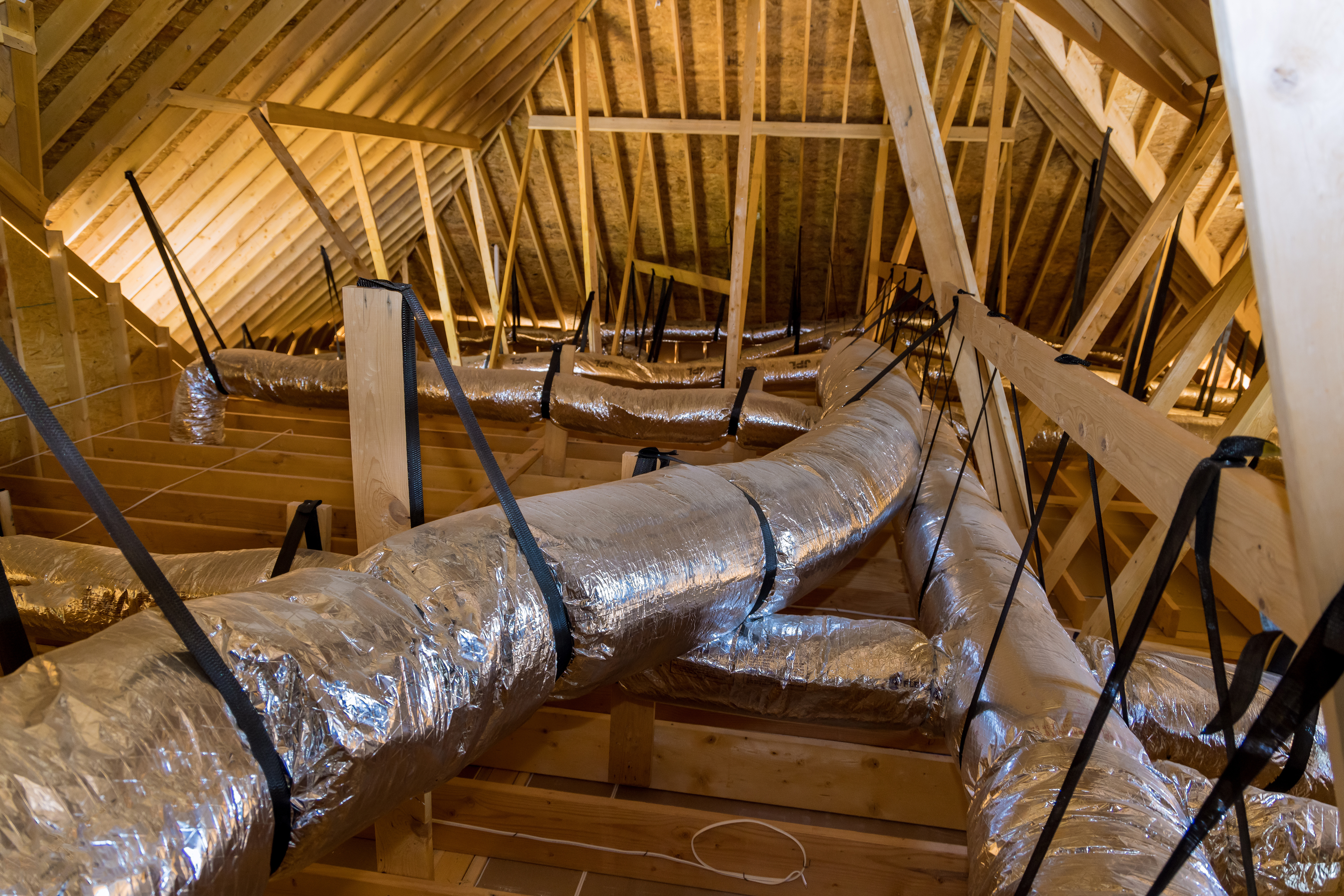
Inspect ductwork for leaks.
- Verify duct joints are sealed, and insulation is continuous.
- Avoid routing ducts through hot, humid spaces without proper protection.
- Confirm the system is designed to avoid excessive negative pressure inside the home.
Watch for Condensation Risks
Inspect:
-
Supply registers near exterior walls and windows.
- Attic ductwork and air handler closets.
- Unsealed boots, metal surfaces, and poorly insulated ducts.
- Mechanical spaces that may pull humid attic air into the system.
Ventilation and Indoor Humidity Control
Confirm ventilation systems are installed, balanced, and operating as designed.
Verify:
-
Whole-house ventilation is provided when required by code or program requirements.
- Bath fans and kitchen exhausts discharge outdoors, not into attics.
- Exhaust fans meet required airflow, controls, and noise requirements.
- Continuous or timer-based operation is installed where required.
Commissioning and Testing
Best practices include:
-
Use mid-construction blower door testing to locate air leaks before they are hidden.
- Complete final blower door testing as required for code compliance.
- Test duct leakage before insulation and finishes limit access.
- Verify refrigerant charge, airflow, and system operation during startup.
- Target summer indoor relative humidity around 50-60% for homeowner comfort.
Field Reminder
Watch for these early indicators:
-
Musty odors during framing or drywall stages
- Sweating ducts, boots, or registers
- Slow-drying slabs or foundation areas
- Very cold air supplies but high indoor humidity
- "Cold but sticky" homes during punch walks
ARCXIS provides these QA checkpoints and more as part of a third-party QA package that gives builders peace of mind and helps prevent costly HVAC repairs and warranty callbacks. Reach out to your local ARCXIS representative at: https://arcxis.com/markets